Mastering the Science of Persuasive Product Descriptions for E-commerce Growth

Key Takeaways
- Crafting compelling product descriptions is essential for boosting e-commerce growth. - Understanding your target audience and creating detailed buyer personas is crucial for creating persuasive descriptions. - Leveraging emotional triggers and storytelling techniques can evoke desire and create a narrative that sells. - Optimizing for SEO can increase visibility and conversion rates for e-commerce websites.The Power of Words: How to Craft Compelling Product Descriptions
 Crafting compelling product descriptions is essential for boosting e-commerce growth. When it comes to selling your products online, the power of words cannot be underestimated. By carefully crafting language that speaks directly to your target audience, you can captivate their attention and persuade them to make a purchase.
Persuasive writing is an art form that combines creativity and conciseness. It's about using words strategically to highlight the unique features and benefits of your products. Your descriptions should evoke emotion, create desire, and convince customers that they need your offer.
To craft compelling product descriptions, start by understanding your audience's needs and desires. Use persuasive language that appeals to their emotions and addresses any potential concerns or objections they may have. Keep sentences short and concise to maintain their attention span.
Remember, the goal is not just to describe the product but also to sell its value. Use persuasive techniques like storytelling, social proof, and call-to-action phrases to encourage immediate action.
Crafting compelling product descriptions is essential for boosting e-commerce growth. When it comes to selling your products online, the power of words cannot be underestimated. By carefully crafting language that speaks directly to your target audience, you can captivate their attention and persuade them to make a purchase.
Persuasive writing is an art form that combines creativity and conciseness. It's about using words strategically to highlight the unique features and benefits of your products. Your descriptions should evoke emotion, create desire, and convince customers that they need your offer.
To craft compelling product descriptions, start by understanding your audience's needs and desires. Use persuasive language that appeals to their emotions and addresses any potential concerns or objections they may have. Keep sentences short and concise to maintain their attention span.
Remember, the goal is not just to describe the product but also to sell its value. Use persuasive techniques like storytelling, social proof, and call-to-action phrases to encourage immediate action.
Understanding Your Target Audience: Key Insights for Persuasive Descriptions
 Understanding your target audience is crucial for creating compelling descriptions that resonate with potential customers. By employing customer segmentation and developing buyer personas, you can gain valuable insights into your audience's needs, preferences, and motivations.
Customer segmentation allows you to divide your audience into distinct groups based on characteristics such as demographics, behavior, or interests. This helps you tailor your product descriptions to specific segments, ensuring that they speak directly to their unique desires and pain points.
Additionally, creating detailed buyer personas further enhances your understanding by providing a fictional representation of an ideal customer within each segment. These personas include information such as age, gender, occupation, hobbies, goals, and challenges.
With this knowledge in hand, you can craft persuasive descriptions that address the specific needs of each persona and entice them to take action.
Understanding your target audience is crucial for creating compelling descriptions that resonate with potential customers. By employing customer segmentation and developing buyer personas, you can gain valuable insights into your audience's needs, preferences, and motivations.
Customer segmentation allows you to divide your audience into distinct groups based on characteristics such as demographics, behavior, or interests. This helps you tailor your product descriptions to specific segments, ensuring that they speak directly to their unique desires and pain points.
Additionally, creating detailed buyer personas further enhances your understanding by providing a fictional representation of an ideal customer within each segment. These personas include information such as age, gender, occupation, hobbies, goals, and challenges.
With this knowledge in hand, you can craft persuasive descriptions that address the specific needs of each persona and entice them to take action.
Leveraging Emotional Triggers: Techniques to Evoke Desire in Customers
 By tapping into the power of emotional triggers, you can create descriptions that evoke strong desires in customers and drive them to make a purchase. Here's how:
1. Use vivid language: Paint a picture with your words, appealing to the senses and creating a strong emotional connection.
2. Highlight benefits: Show customers how your product will improve their lives or solve a problem they have, generating a sense of urgency.
3. Incorporate social proof: Share testimonials or reviews from satisfied customers to build trust and credibility.
When crafting your descriptions, remember that emotions play a crucial role in purchasing decisions. By creating a sense of urgency and building trust through compelling language and social proof, you can tap into these emotional triggers and motivate customers to take action.
By tapping into the power of emotional triggers, you can create descriptions that evoke strong desires in customers and drive them to make a purchase. Here's how:
1. Use vivid language: Paint a picture with your words, appealing to the senses and creating a strong emotional connection.
2. Highlight benefits: Show customers how your product will improve their lives or solve a problem they have, generating a sense of urgency.
3. Incorporate social proof: Share testimonials or reviews from satisfied customers to build trust and credibility.
When crafting your descriptions, remember that emotions play a crucial role in purchasing decisions. By creating a sense of urgency and building trust through compelling language and social proof, you can tap into these emotional triggers and motivate customers to take action.
Storytelling Techniques: Creating a Narrative That Sells
 Immerse yourself in the power of storytelling by creating a compelling narrative that captivates your customers and drives sales. Engaging narratives are key to capturing your audience's attention and forging a connection with them.
When using story-driven selling, you can weave elements of emotion, suspense, and relatability into your product descriptions.
By crafting a narrative around your products or brand, you can tap into the desires and aspirations of your customers. Show them how their lives can be transformed by using your products or services. Paint a vivid picture that resonates with their needs and desires.
Through storytelling, you can create an emotional bond with potential buyers, making them more likely to engage with your brand and make a purchase. By connecting through storytelling, you differentiate yourself from competitors who rely solely on features and specifications.
As we explore optimizing for SEO in the next section, keep in mind how these strategies can further enhance your engaging narratives to boost visibility and conversion rates.
Immerse yourself in the power of storytelling by creating a compelling narrative that captivates your customers and drives sales. Engaging narratives are key to capturing your audience's attention and forging a connection with them.
When using story-driven selling, you can weave elements of emotion, suspense, and relatability into your product descriptions.
By crafting a narrative around your products or brand, you can tap into the desires and aspirations of your customers. Show them how their lives can be transformed by using your products or services. Paint a vivid picture that resonates with their needs and desires.
Through storytelling, you can create an emotional bond with potential buyers, making them more likely to engage with your brand and make a purchase. By connecting through storytelling, you differentiate yourself from competitors who rely solely on features and specifications.
As we explore optimizing for SEO in the next section, keep in mind how these strategies can further enhance your engaging narratives to boost visibility and conversion rates.
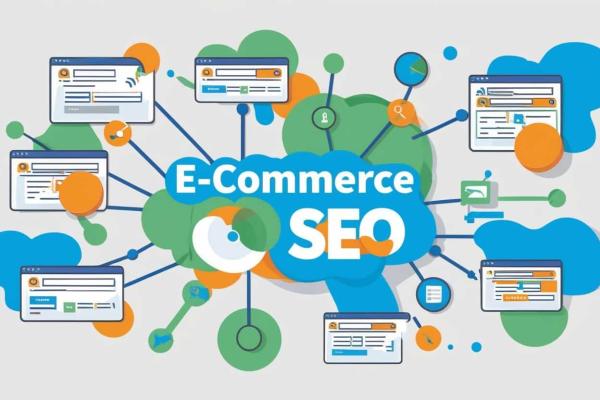
Optimizing for SEO: Strategies to Boost Visibility and Conversion Rates
 You'll need to implement effective SEO strategies that align with your storytelling techniques to boost visibility and increase conversion rates. Here are three essential strategies for optimizing your website:
1. Conduct keyword research: Identify the keywords and phrases your target audience uses to search for similar products or services. Use tools like Google Keyword Planner or SEMrush to find relevant keywords with high search volumes and low competition.
2. Optimize your website: Incorporate these keywords strategically throughout your website's content, including headers, meta descriptions, alt tags, and URLs. Ensure that your website structure is user-friendly and easy for search engines to crawl.
3. Build quality backlinks: Seek opportunities to have reputable websites link back to yours. Guest blogging, influencer partnerships, and social media sharing can help generate valuable backlinks that improve your site's authority in search engine rankings.
You'll need to implement effective SEO strategies that align with your storytelling techniques to boost visibility and increase conversion rates. Here are three essential strategies for optimizing your website:
1. Conduct keyword research: Identify the keywords and phrases your target audience uses to search for similar products or services. Use tools like Google Keyword Planner or SEMrush to find relevant keywords with high search volumes and low competition.
2. Optimize your website: Incorporate these keywords strategically throughout your website's content, including headers, meta descriptions, alt tags, and URLs. Ensure that your website structure is user-friendly and easy for search engines to crawl.
3. Build quality backlinks: Seek opportunities to have reputable websites link back to yours. Guest blogging, influencer partnerships, and social media sharing can help generate valuable backlinks that improve your site's authority in search engine rankings.Explore a website growth scenario
Change the assumptions to see how traffic and inquiries affect the estimated lifetime revenue of customers acquired in one month. The starting values are examples. This calculator does not measure lost revenue or predict what a redesign will achieve.
Use the same monthly period for visitors and leads.
Use distinct inquiries attributable to those visitors.
Your own estimate of the share that fits your business.
Use your observed rate or label it as an assumption.
Revenue across the customer relationship, before costs.
A scenario you choose, not a prediction from Stoute.
For example, adding 1 point changes a 2% conversion rate to 3%.
One month’s acquired customers
- Customers under current assumptions
- 3.0
- Customers in your scenario
- 3.0
- Current cohort’s estimated lifetime revenue
- $3,000
- Scenario cohort’s estimated lifetime revenue
- $3,000
- Difference across those customers’ lifetimes
- $0
Visitor-to-lead rate: 2.0% → 2.0%. Scenario conversion is limited to 0–100%. Fractional customers represent an average, not a literal customer count.
These amounts are gross lifetime revenue, not monthly cash flow, profit, or return on investment. The model holds qualification, close rate, and customer value constant. It excludes project costs, advertising, delivery costs, and payment timing.
Have a specific WordPress improvement in mind? Describe it in a written inquiry.